

A Landscape Written in Quartz and Rain

First in English:
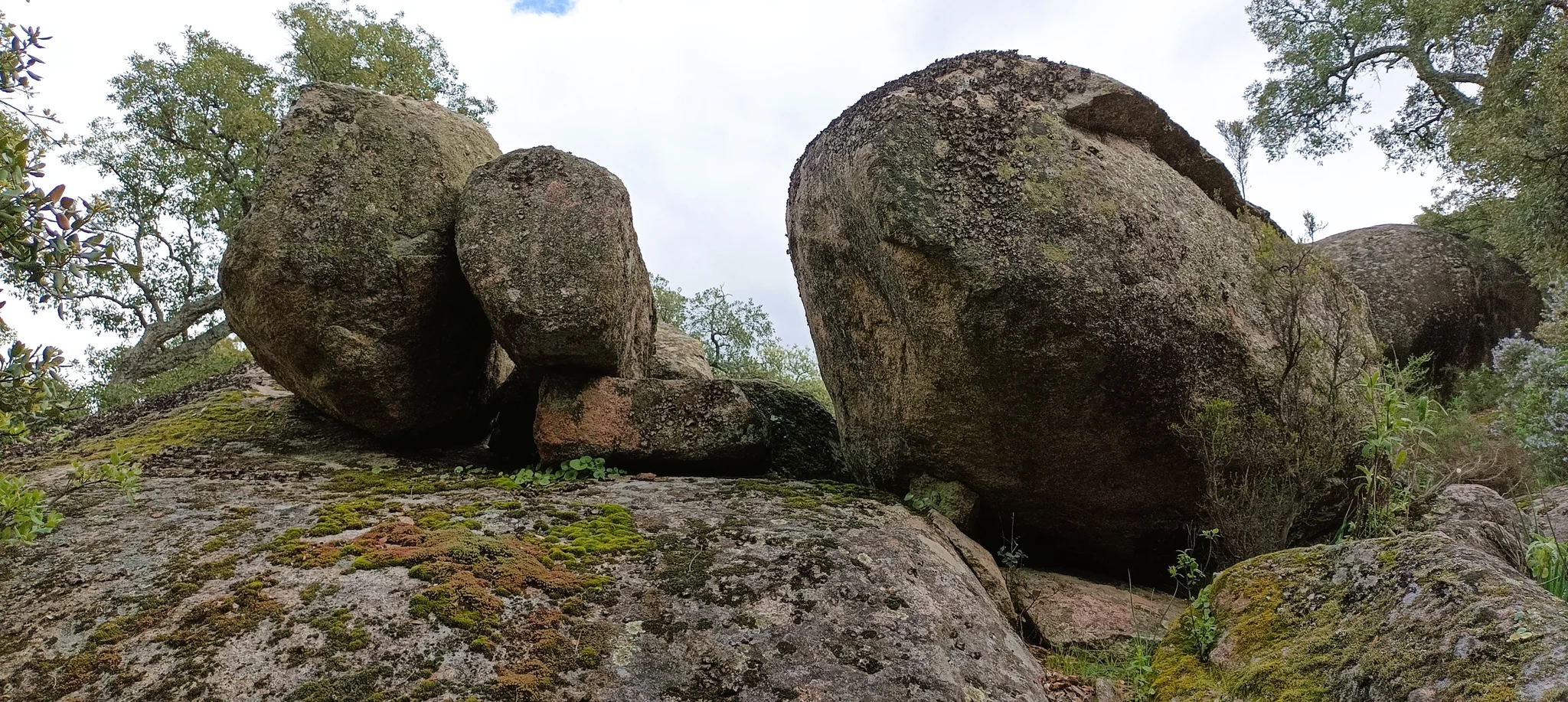
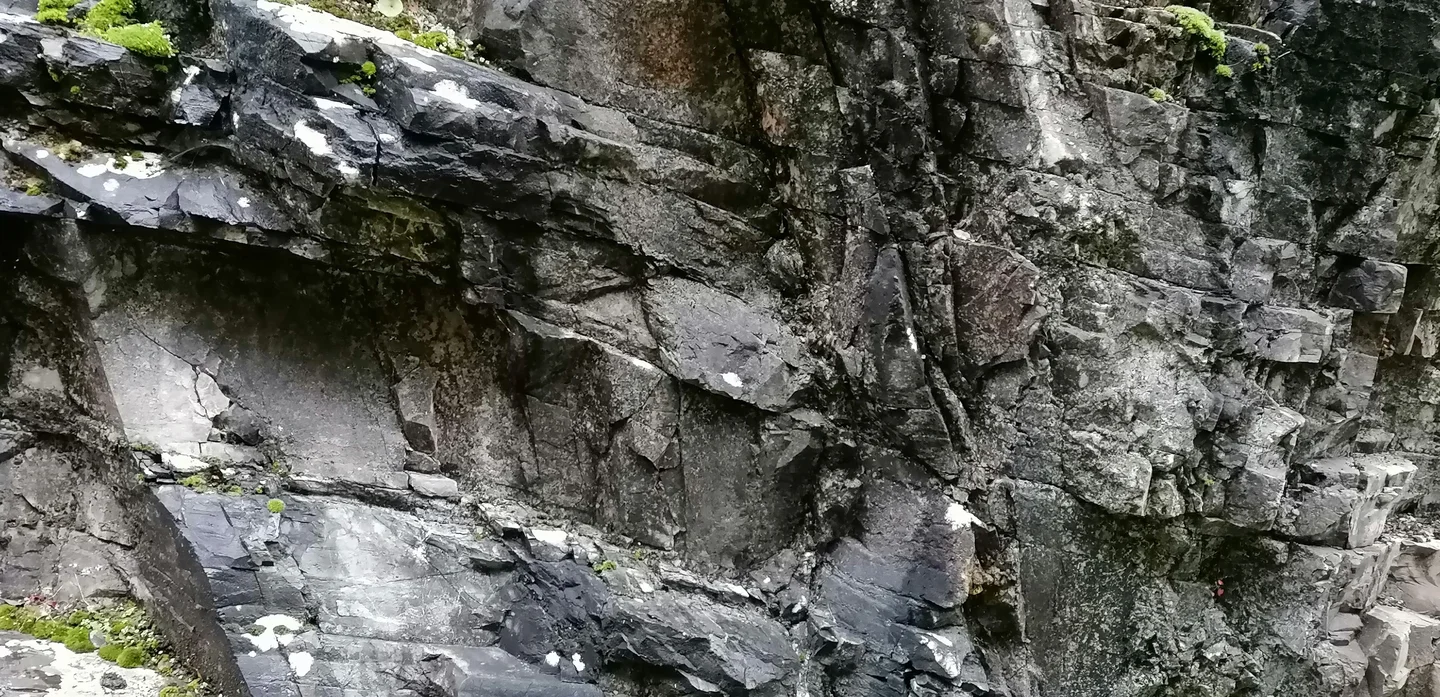
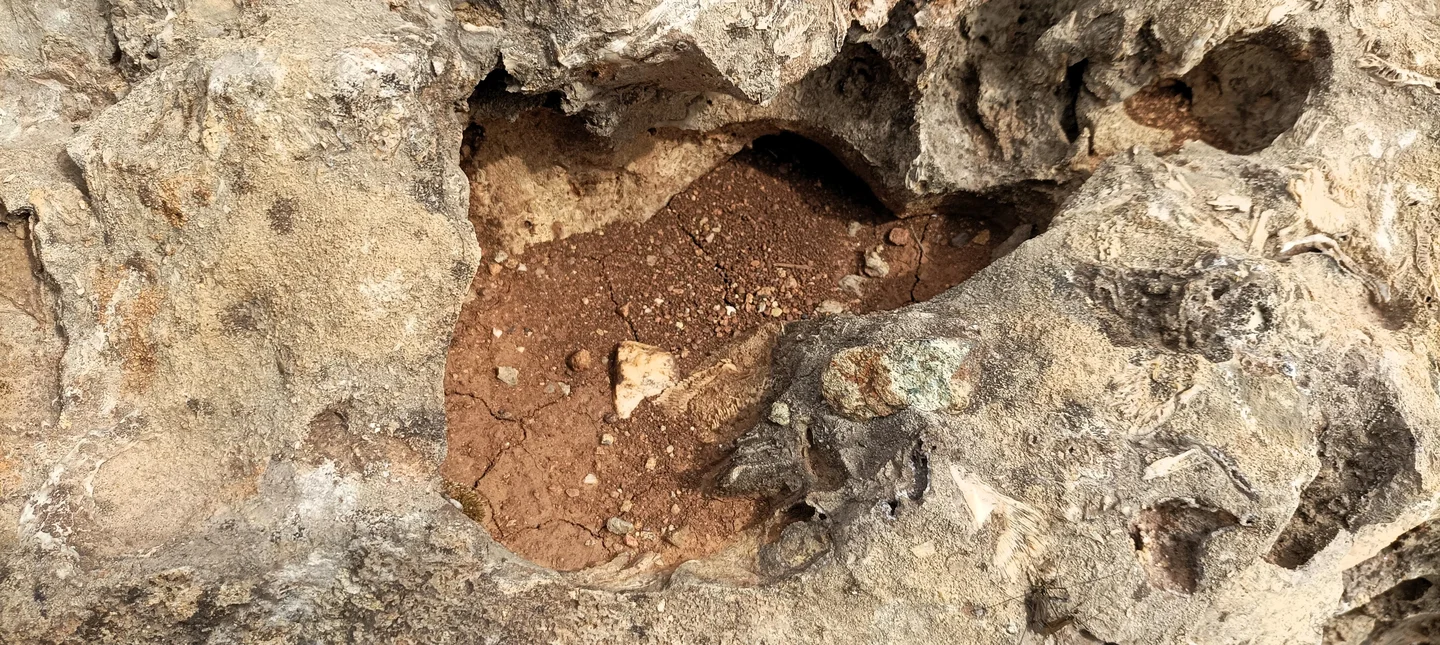
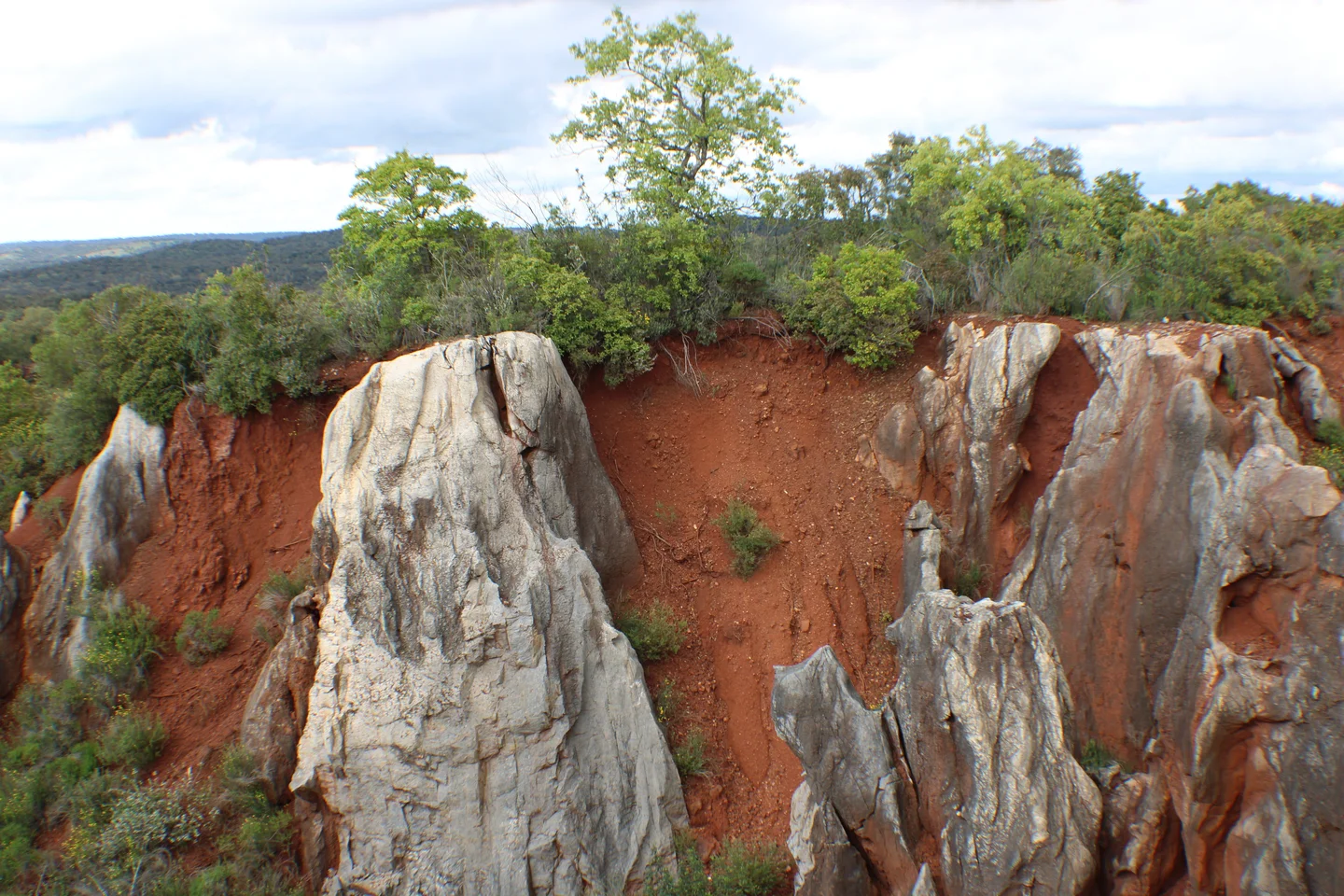
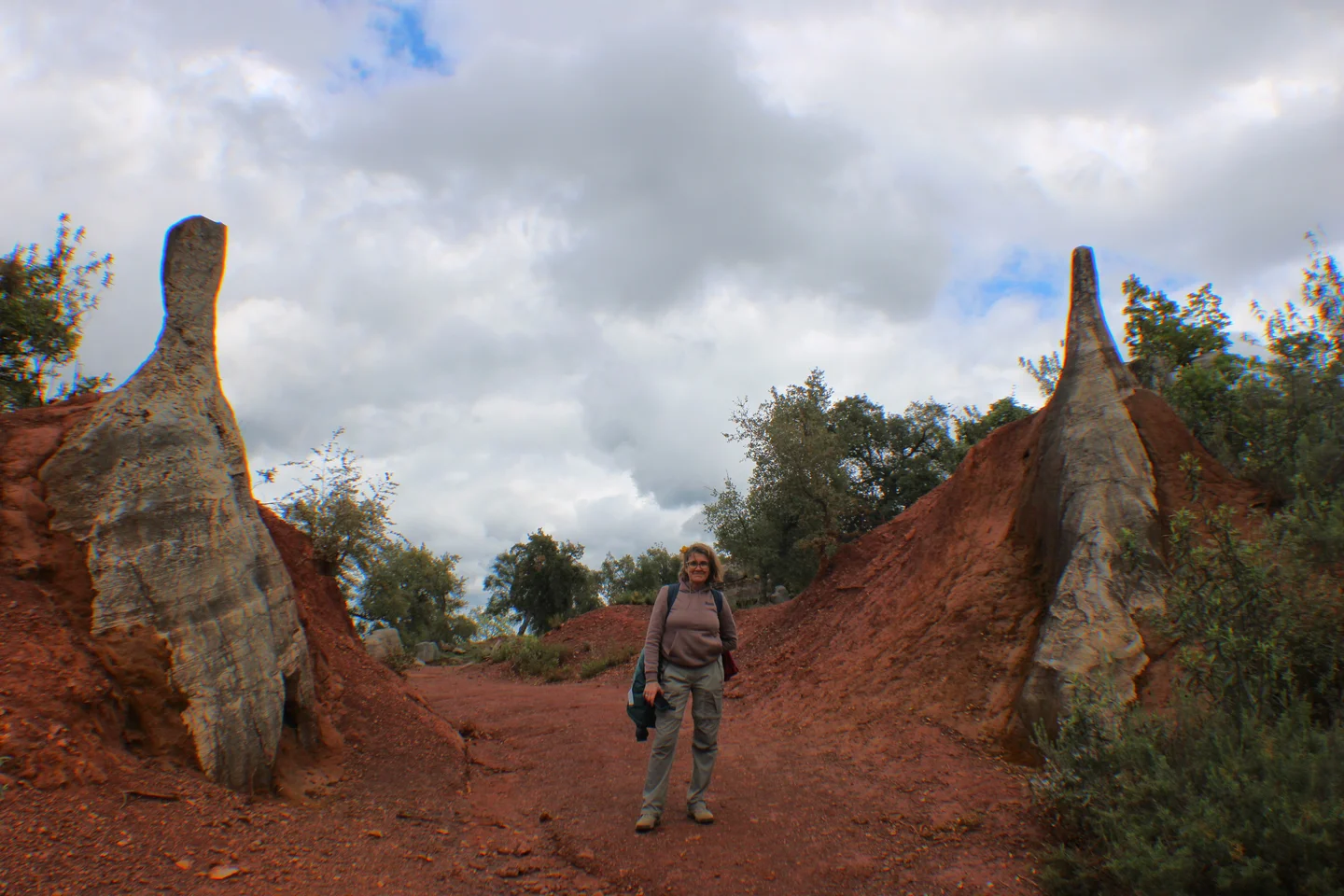
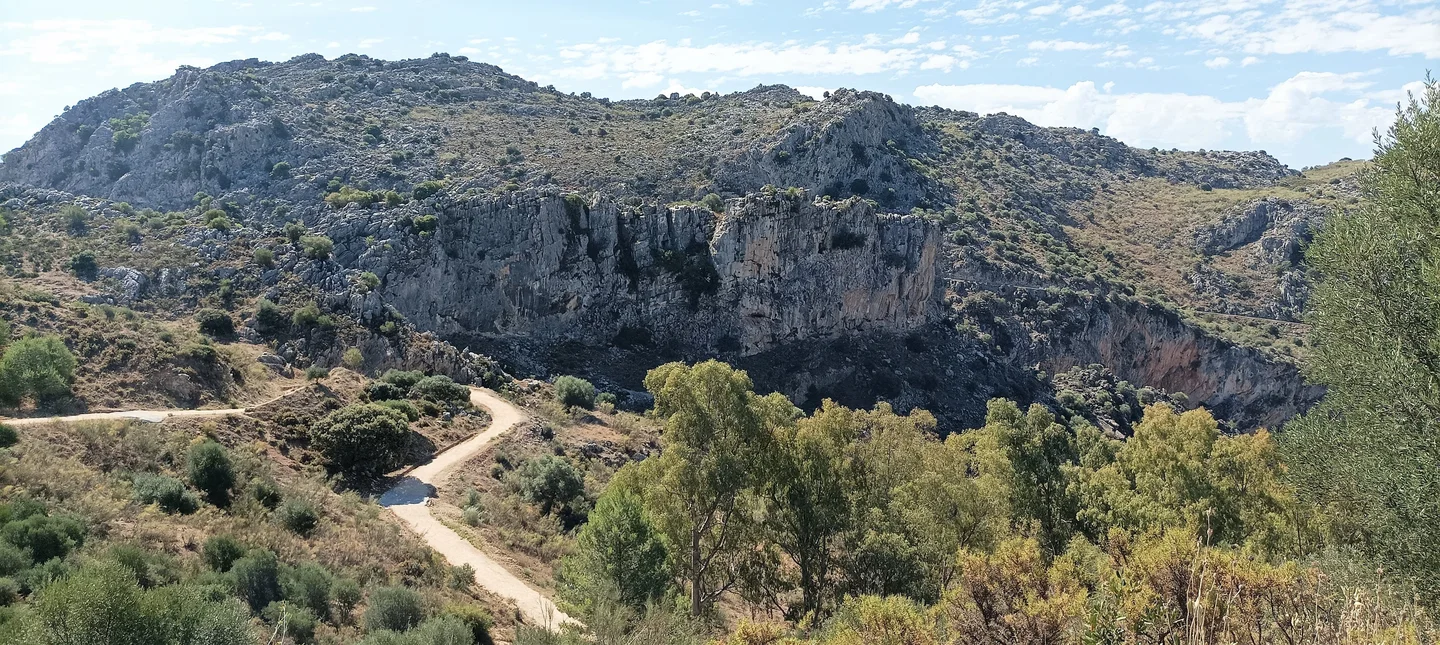
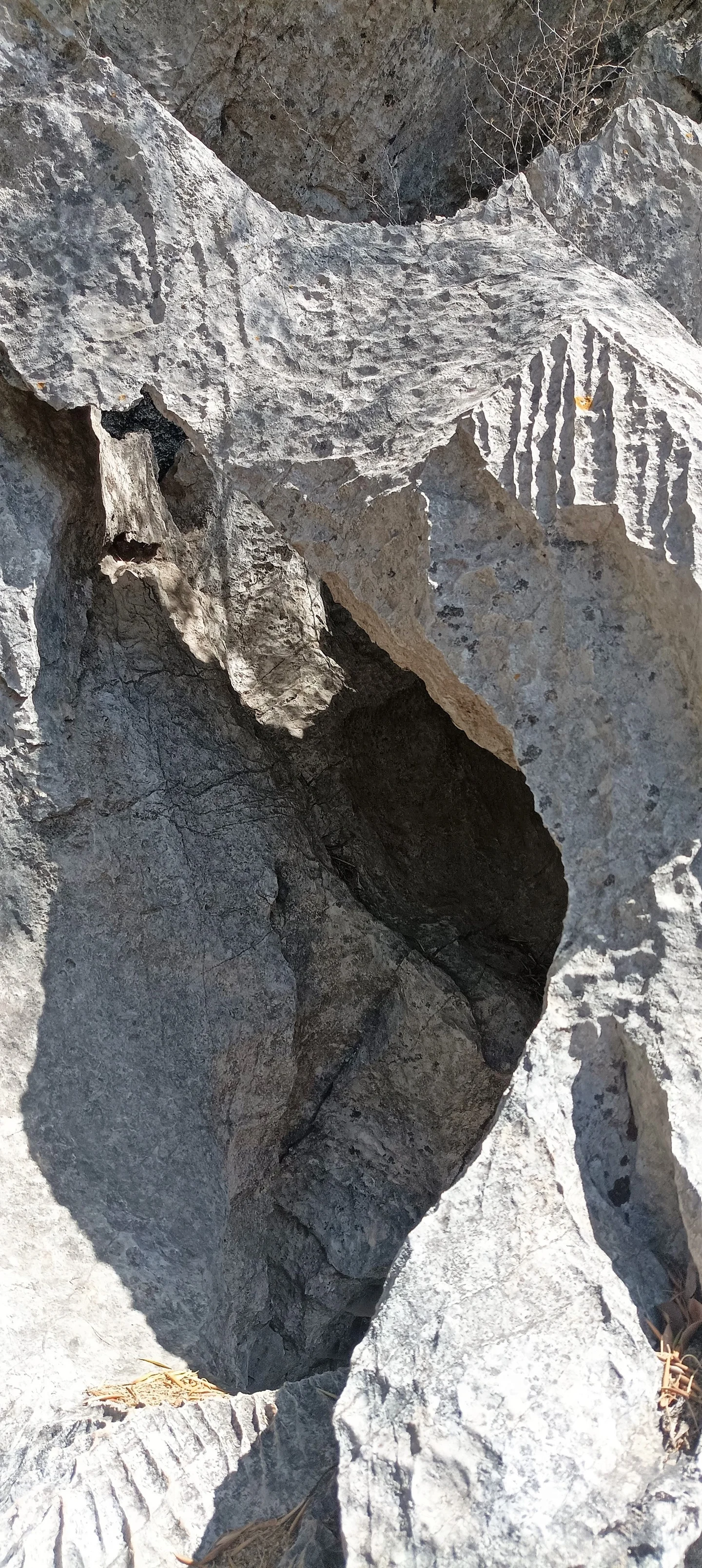
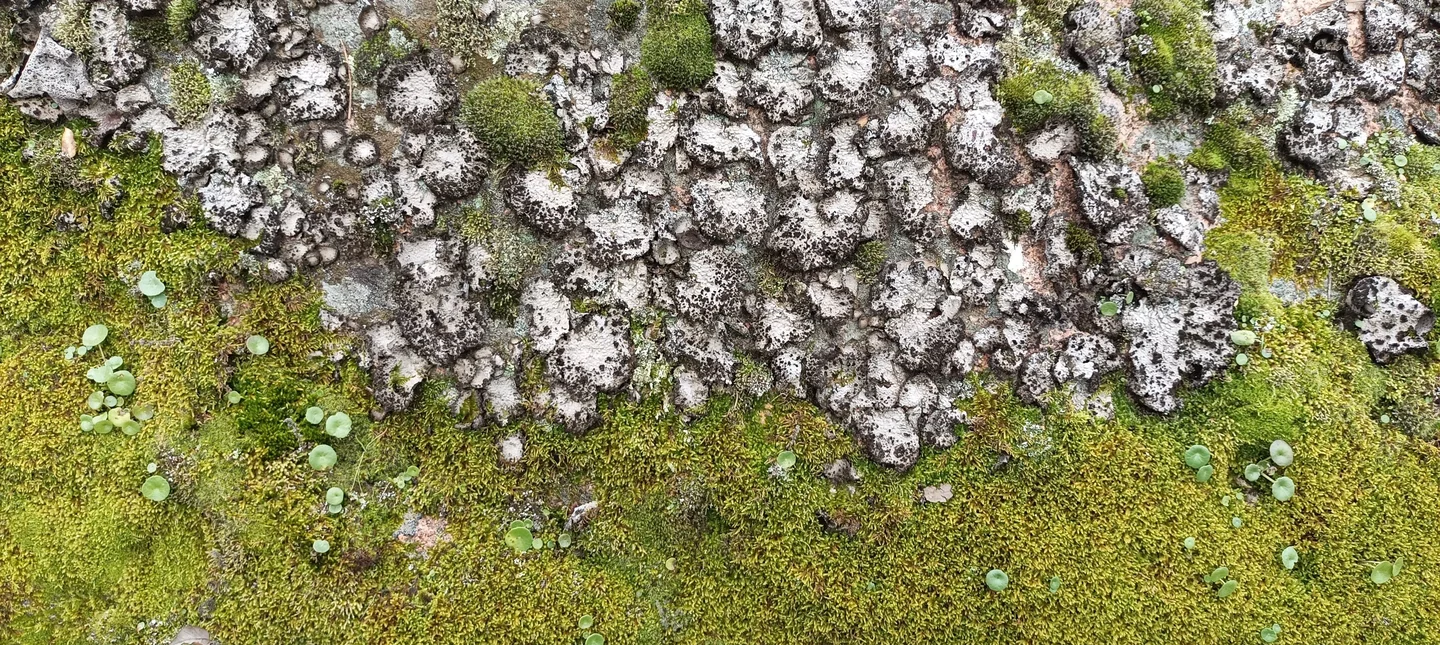
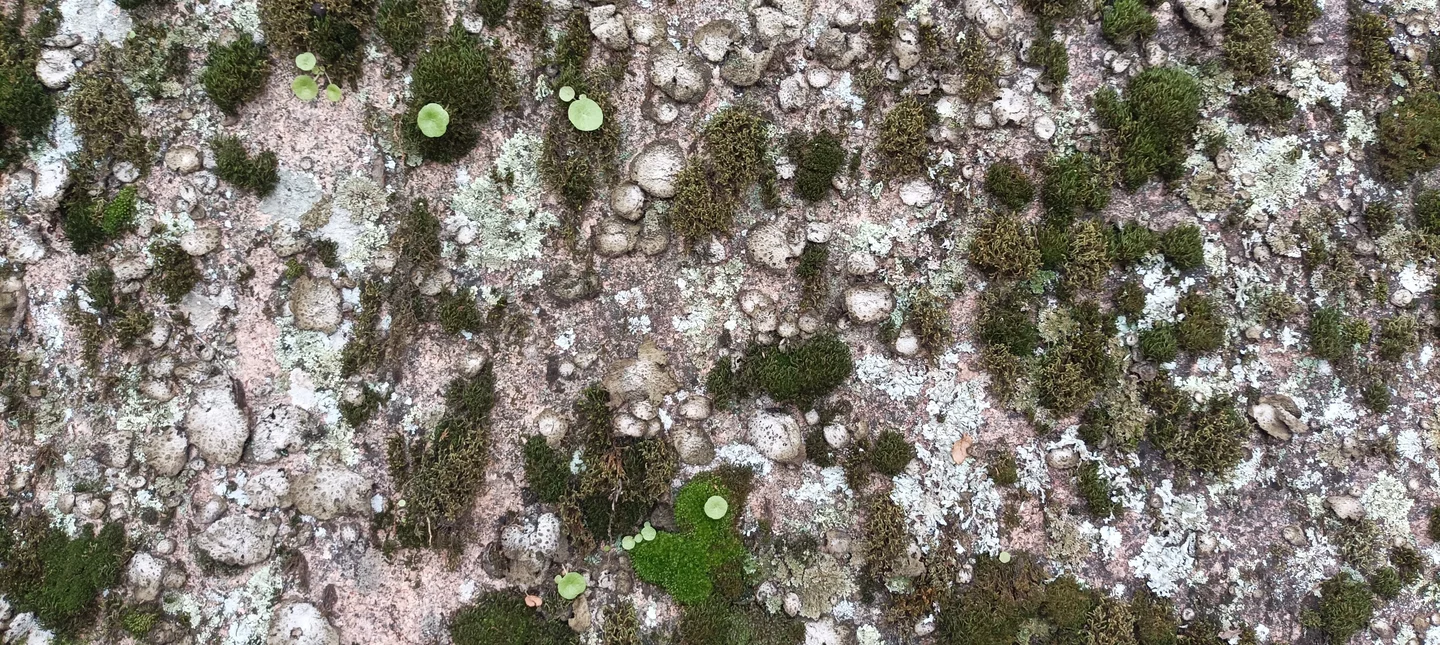
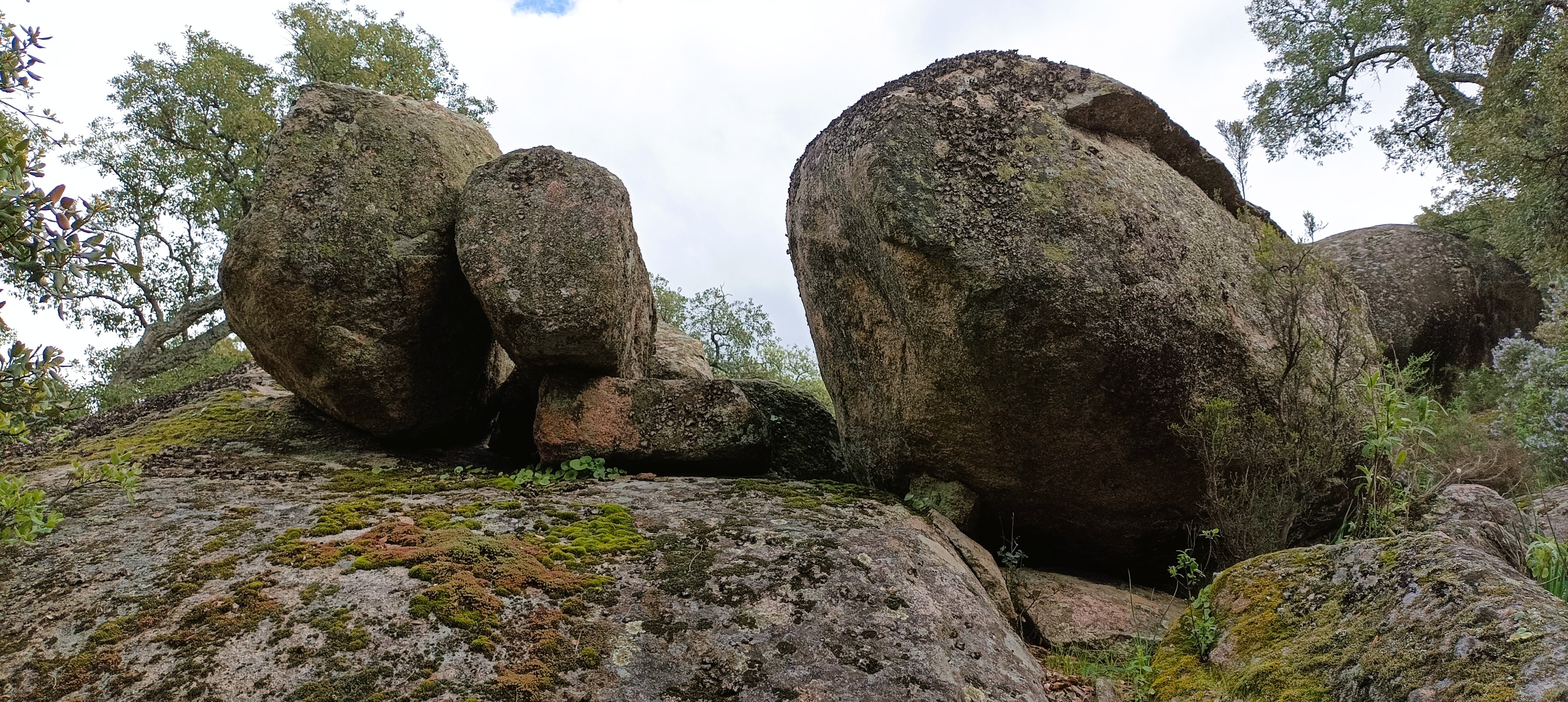
The granite outcrops of El Berrocal, near Almadén de la Plata (Seville, Spain), offer an excellent example of the very first stages of soil formation. 🪨🌱
Although granite appears extremely resistant, it is continuously altered by physical, chemical, and biological weathering. Rainwater penetrates fractures and joints, promoting the hydrolysis of feldspars, one of the main minerals in granite. Over time, feldspars are transformed into clay minerals, while quartz, which is much more resistant, tends to remain as sand-sized particles.
The rounded shapes visible in these granite boulders are the result of millions of years of weathering acting from the outside inward. This process, known as spheroidal weathering, gradually weakens rock corners and edges more rapidly than flat surfaces, producing characteristic rounded blocks known as corestones.
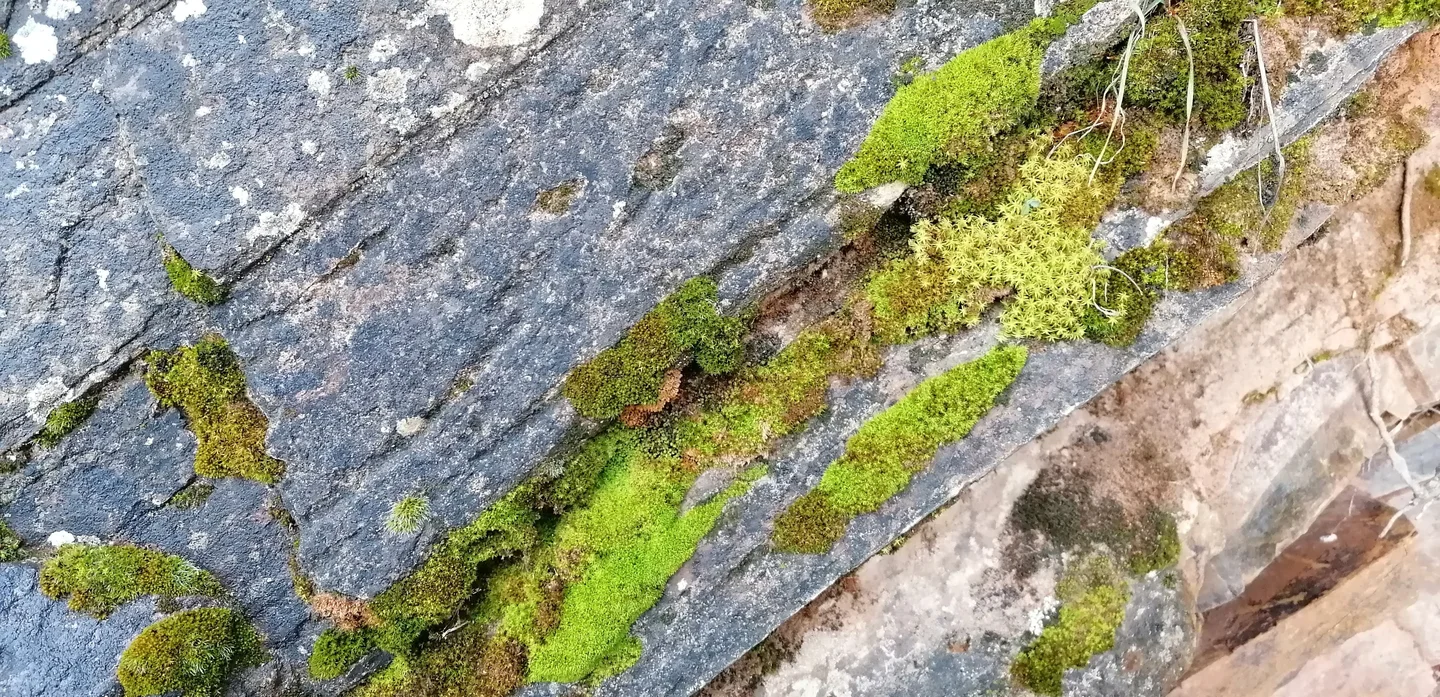
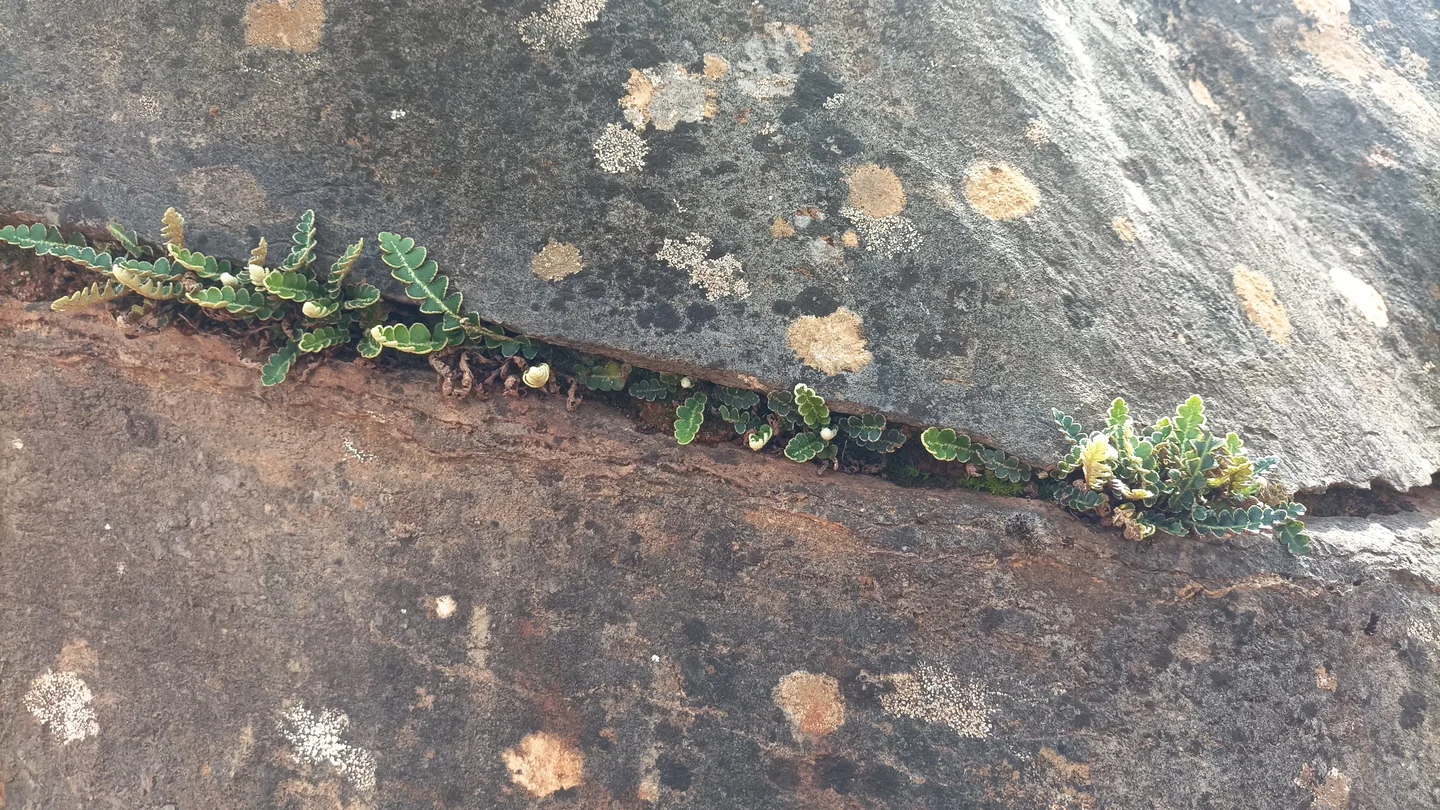
Lichens, mosses, microorganisms, and plant roots also contribute to rock breakdown by releasing organic acids and exploiting tiny fractures. These biological processes accelerate the transformation of solid rock into mineral material capable of supporting life.
The resulting weathered granite, often called grus, represents an intermediate stage between fresh bedrock and fully developed soil. Over long periods, this material accumulates organic matter, stores water, and provides nutrients, ultimately giving rise to soils that sustain vegetation and ecosystems. 🌿💧
This scene is therefore more than a landscape: it captures the beginning of a geological and ecological journey in which hard granite is slowly transformed into living soil.
Ahora, en español:
Los afloramientos graníticos de El Berrocal, cerca de Almadén de la Plata (Sevilla), ofrecen un excelente ejemplo de las primeras etapas de formación del suelo. 🪨🌱
Aunque el granito parece una roca extremadamente resistente, está siendo alterado continuamente por procesos de meteorización física, química y biológica. El agua de lluvia penetra por fracturas y diaclasas, favoreciendo la hidrólisis de los feldespatos, uno de los principales minerales que componen el granito. Con el tiempo, los feldespatos se transforman en minerales arcillosos, mientras que el cuarzo, mucho más resistente, tiende a permanecer como partículas arenosas.
Las formas redondeadas visibles en estos grandes bloques graníticos son el resultado de millones de años de meteorización actuando desde el exterior hacia el interior. Este proceso, denominado meteorización esferoidal, debilita progresivamente las esquinas y aristas con mayor rapidez que las superficies planas, originando los característicos bolos graníticos.
Líquenes, musgos, microorganismos y raíces vegetales también contribuyen a la degradación de la roca al liberar ácidos orgánicos y aprovechar pequeñas fracturas. Estos procesos biológicos aceleran la transformación de la roca compacta en material mineral capaz de sostener vida.
El granito alterado resultante, conocido frecuentemente como grus o regolito granítico, representa una etapa intermedia entre la roca fresca y un suelo plenamente desarrollado. Con el paso del tiempo, este material acumula materia orgánica, retiene agua y aporta nutrientes, dando lugar a suelos capaces de sustentar vegetación y ecosistemas. 🌿💧
Por tanto, esta escena es mucho más que un paisaje: muestra el inicio de un viaje geológico y ecológico en el que el granito compacto se transforma lentamente en suelo vivo.
Reuse
Creative Commons Attribution 4.0 International (CC BY 4.0) (opens in a new window)Credit: Antonio Jordán (distributed via imaggeo.egu.eu)




Comments
No comments yet. Be the first to share your thoughts.