

Small holes, big stories

First in English:
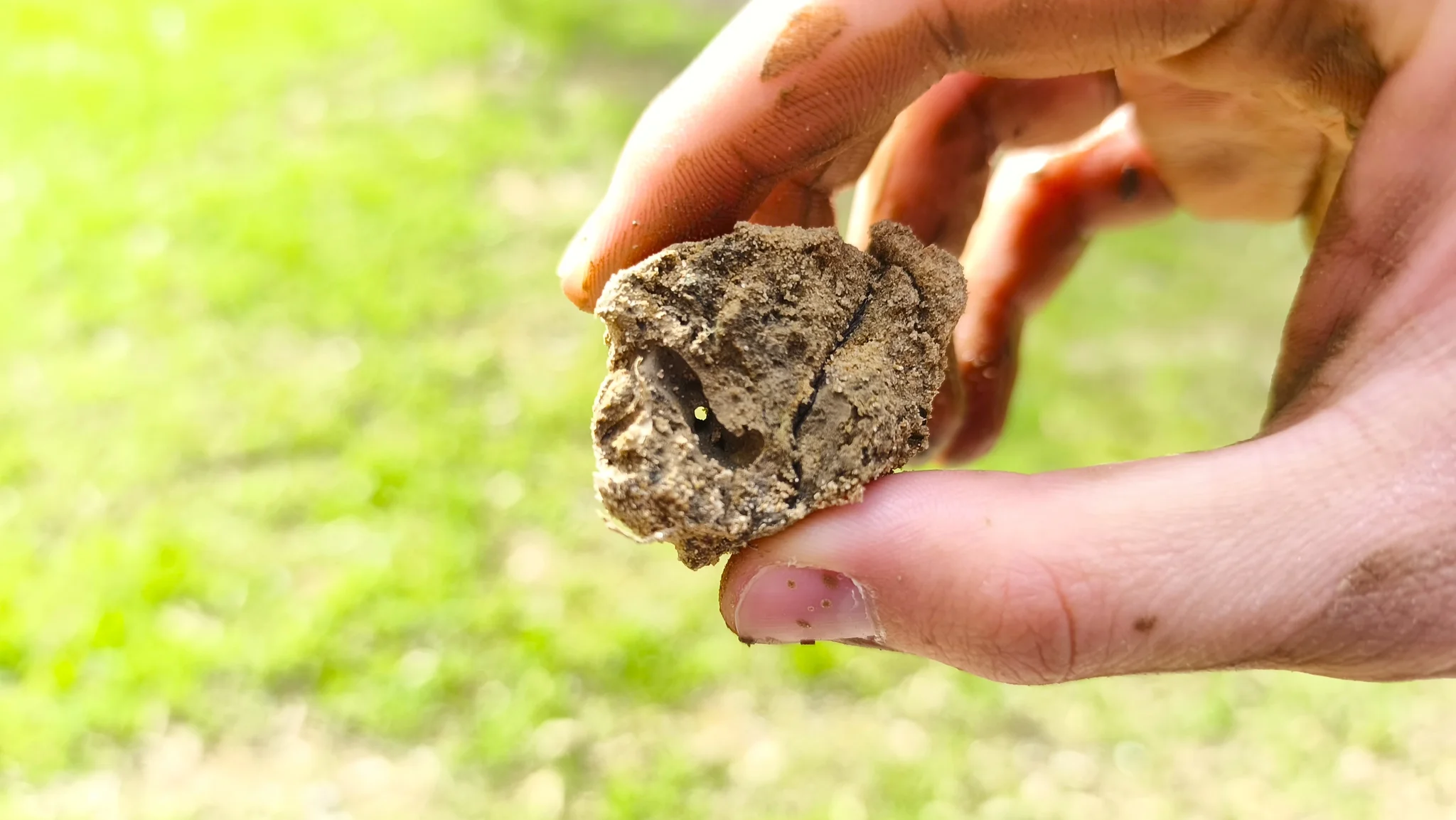
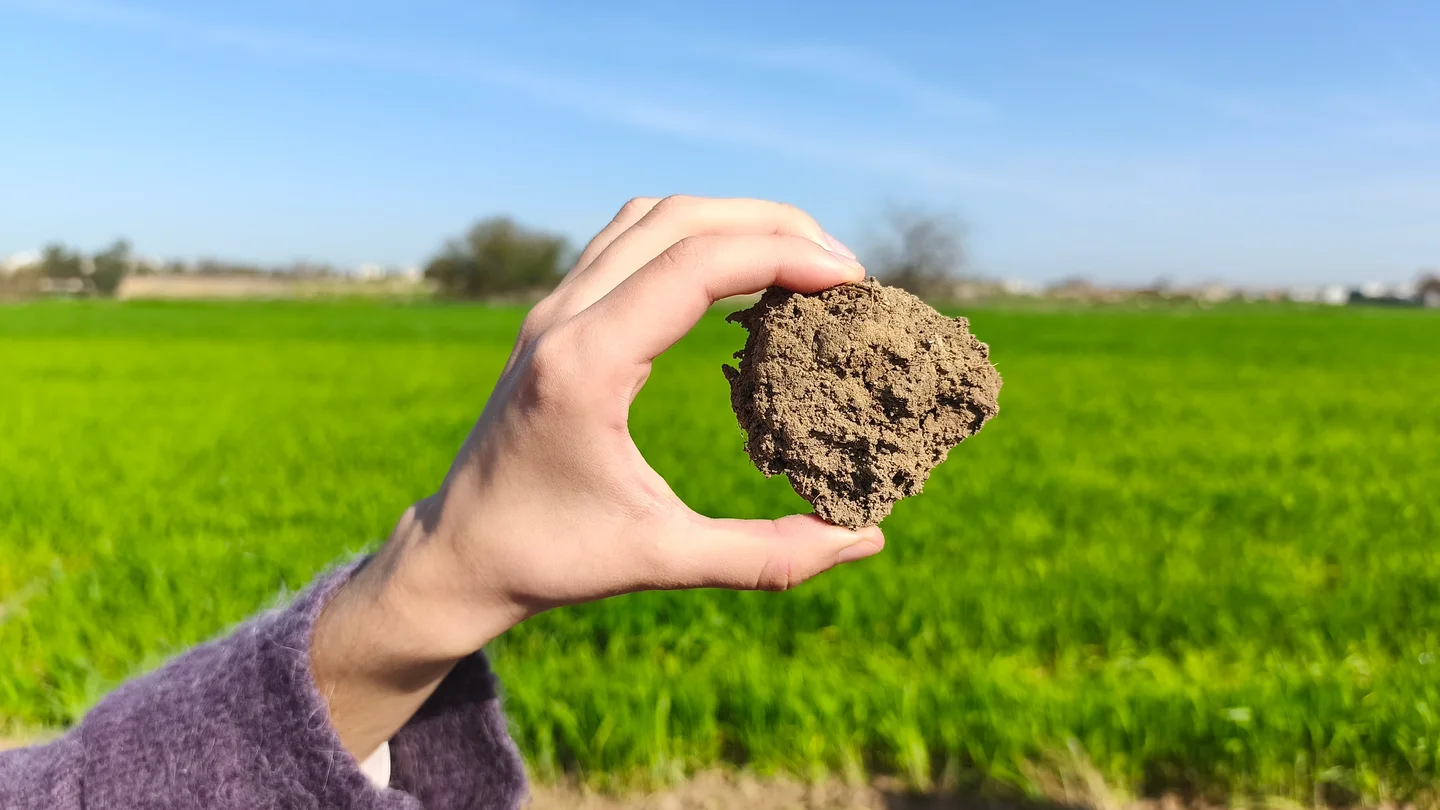
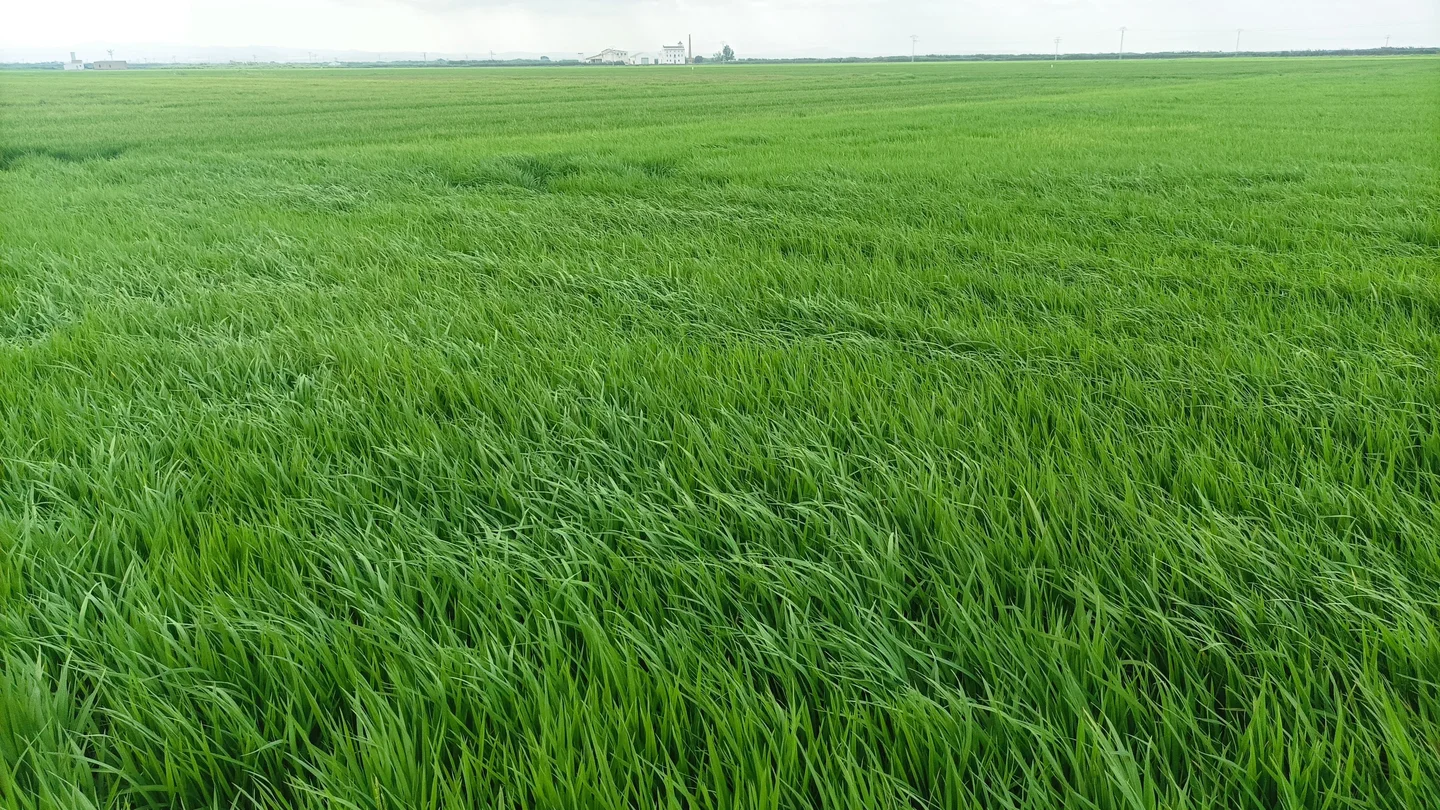
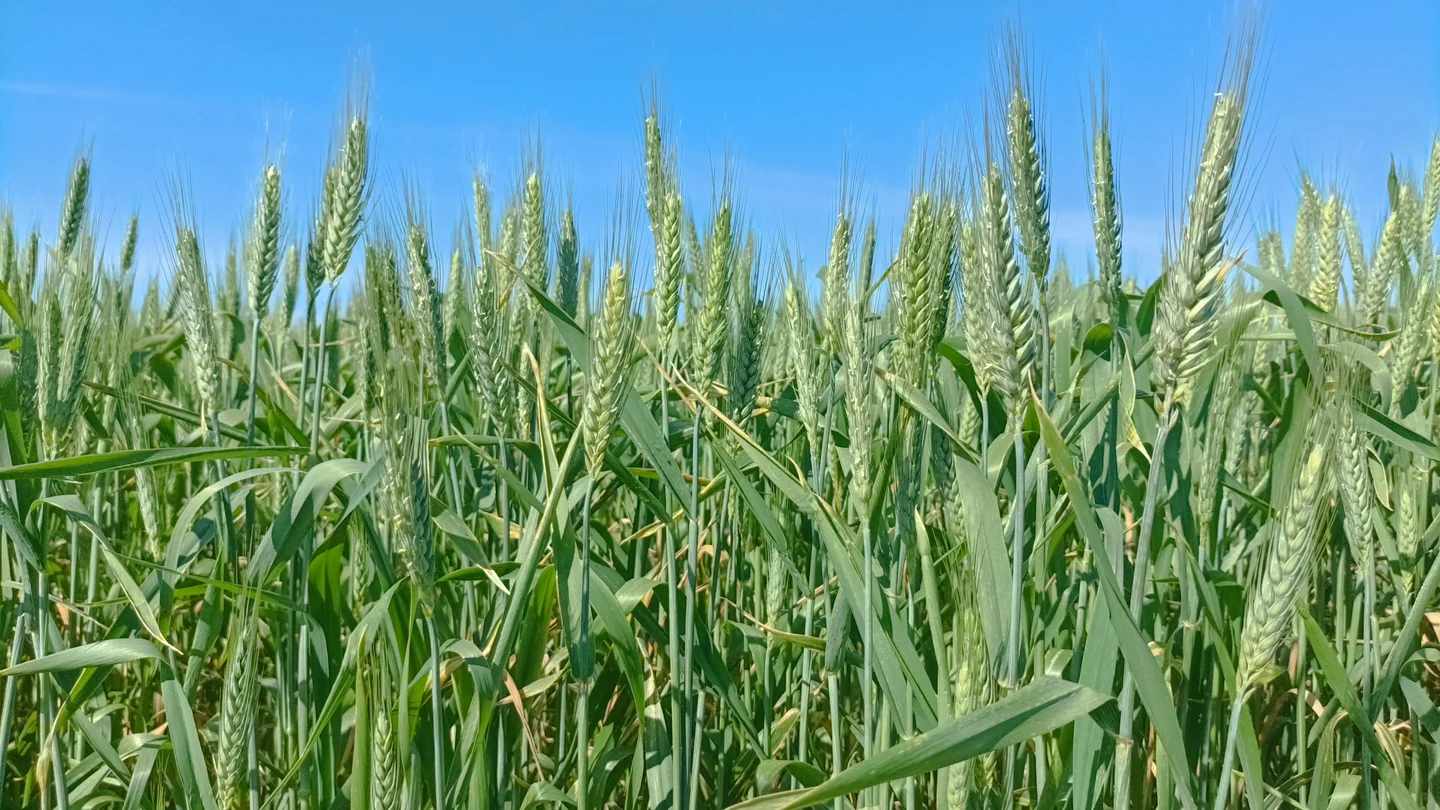
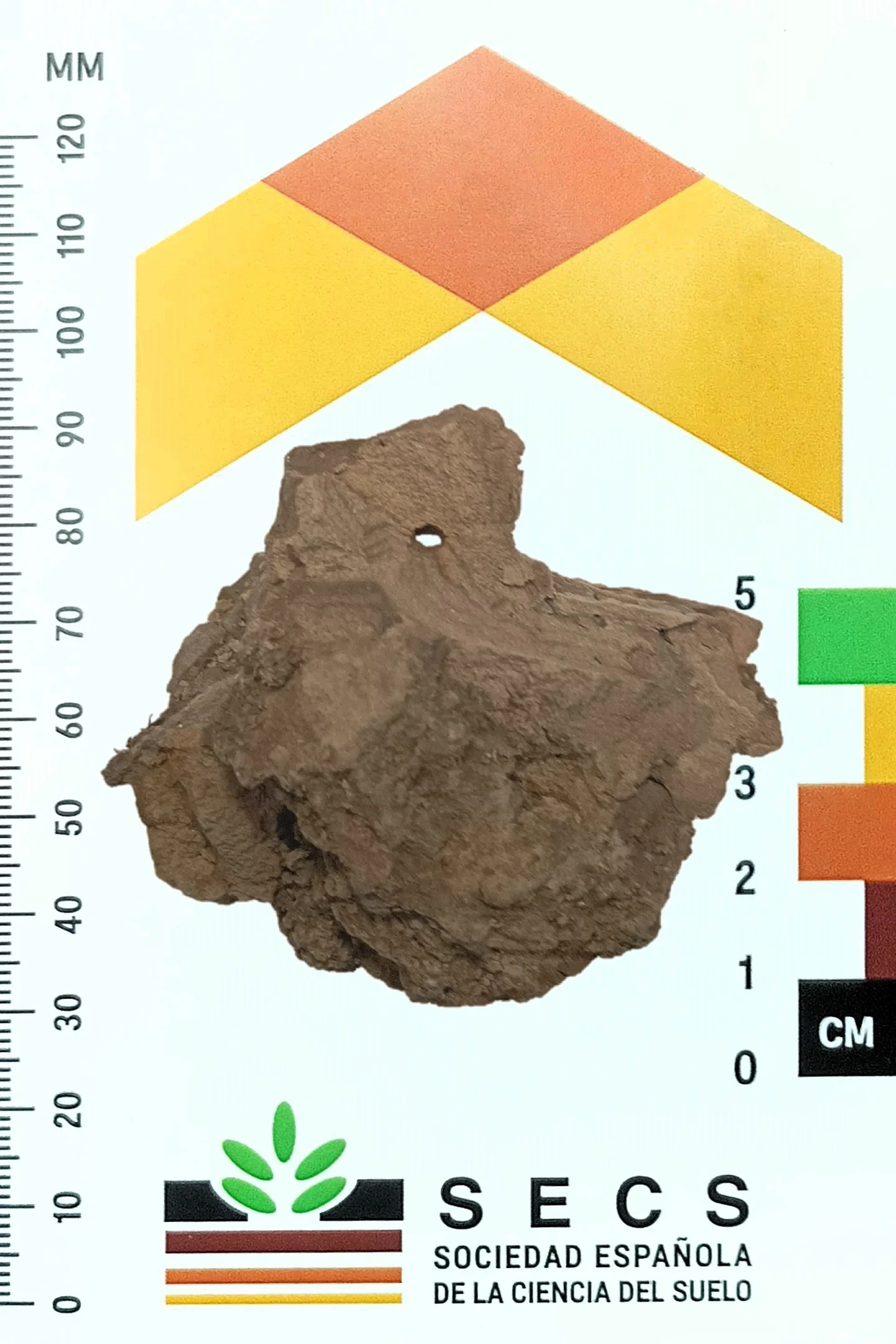
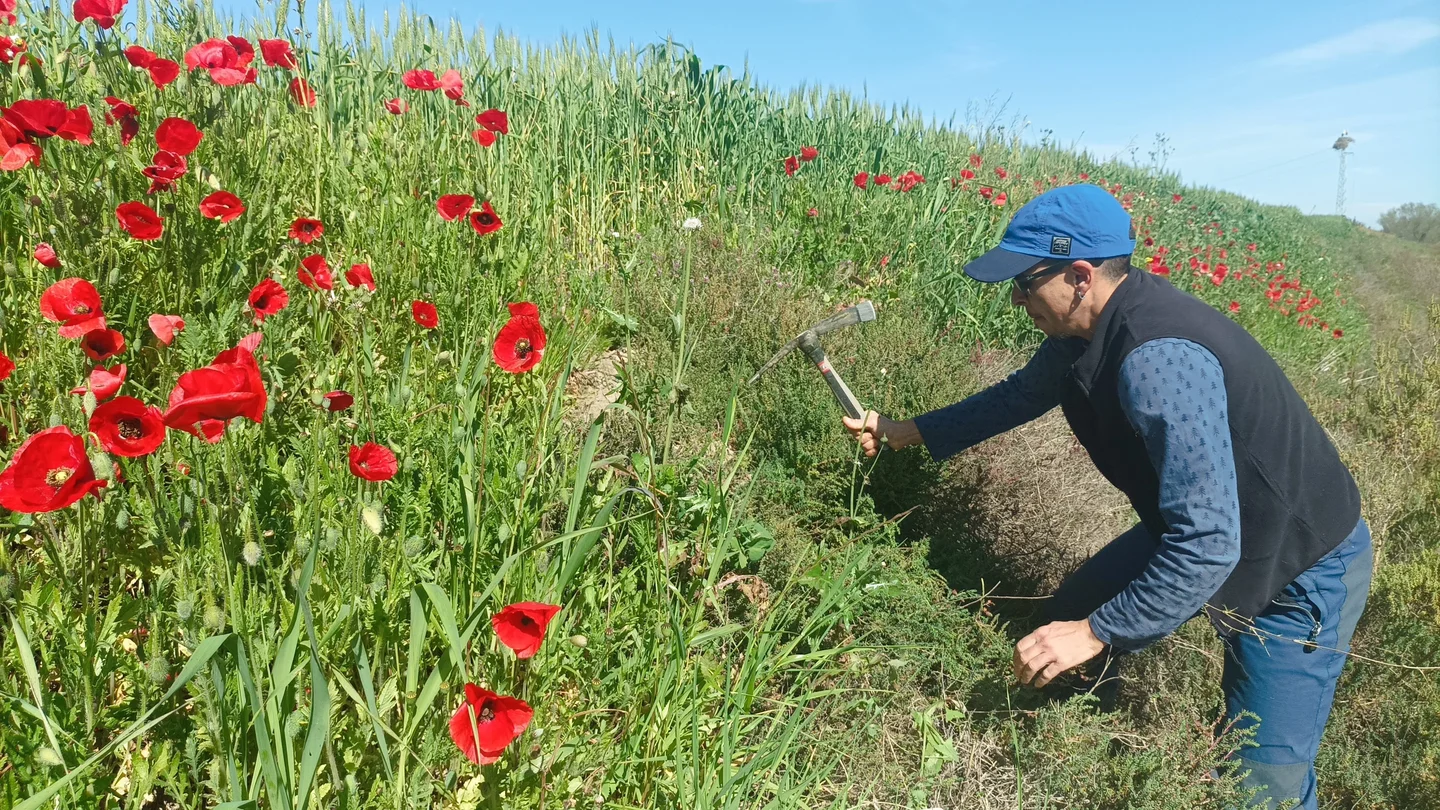
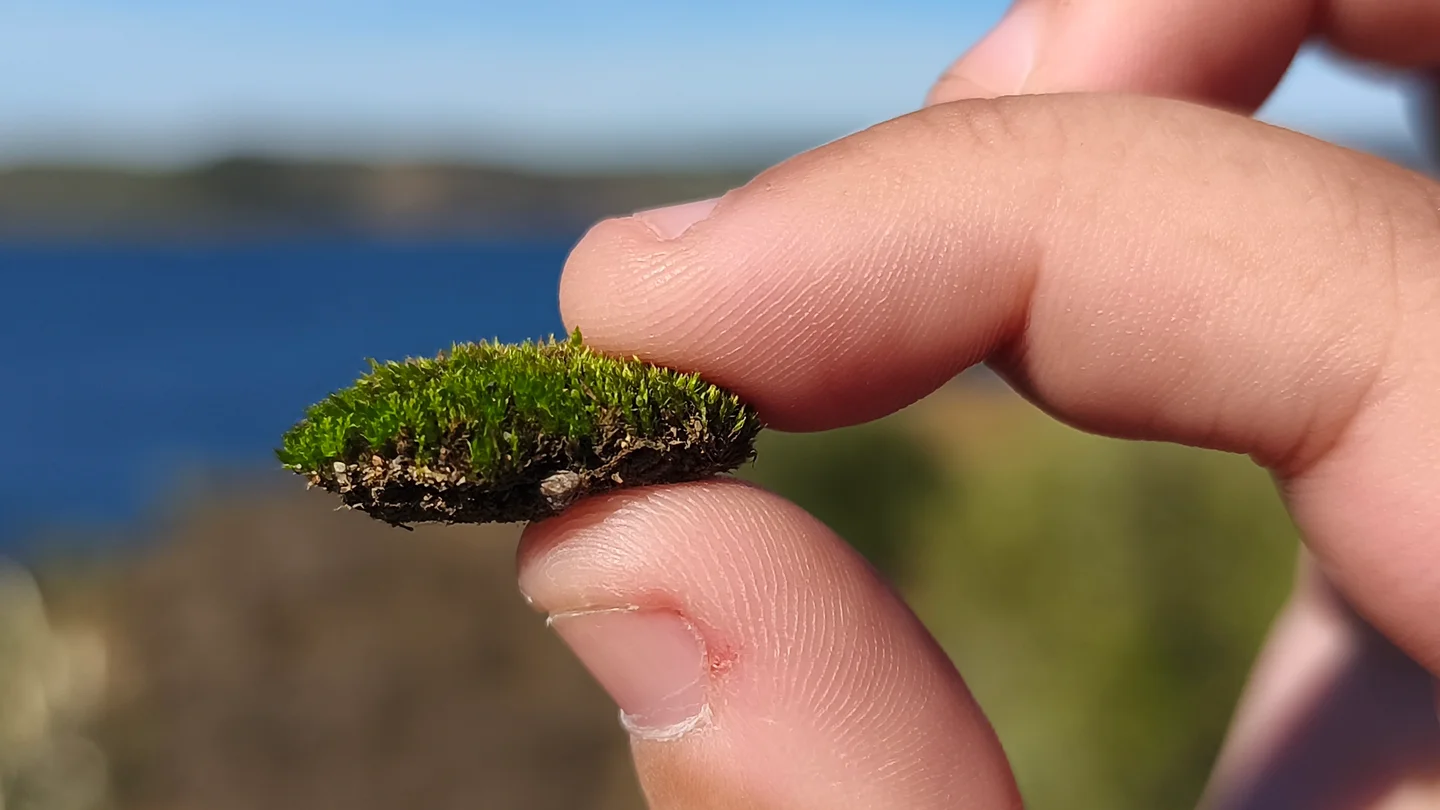
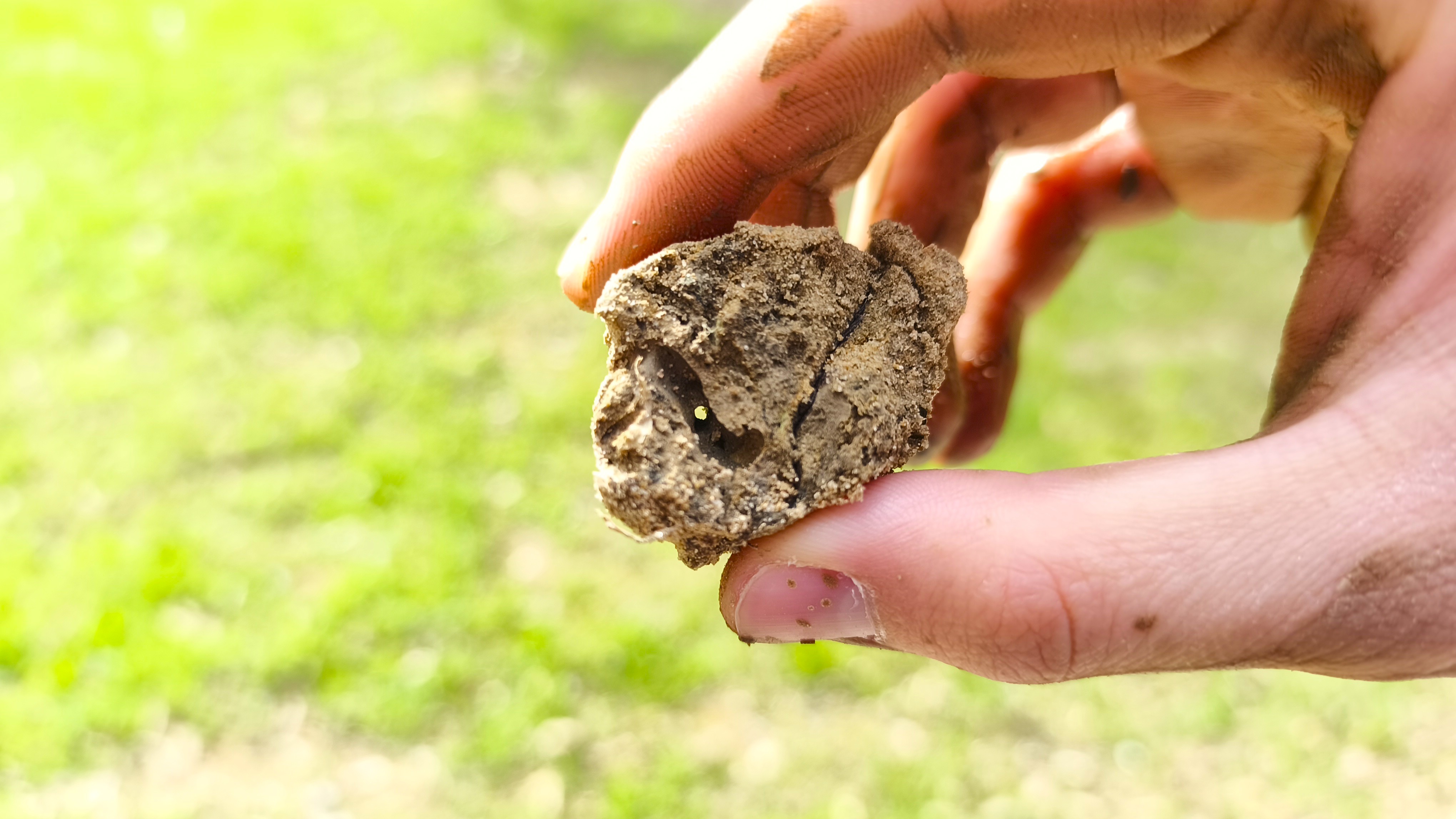
A soil science student from the School of Agricultural Engineering at the University of Seville holds a soil aggregate during field practice. The fragment fits between the fingers, and its surface reveals visible pores and small cracks. Some of these voids were formed by former roots that once crossed the soil mass. Against the blurred green field in the background, the aggregate becomes a small landscape of cavities and channels shaped by biological and physical processes.
Soil pores are not empty spaces without function; they are essential components of soil structure. Large pores, or macropores, allow rapid water infiltration during rainfall and facilitate gas exchange between the soil and the atmosphere. Smaller pores retain water against gravity, making it available to plants. Root channels and biological activity create preferential flow paths that enhance infiltration and reduce runoff. At the same time, a well-connected pore system ensures adequate oxygen supply for roots and microorganisms. The balance between pore size, continuity, and distribution largely determines soil aeration, water storage, and overall soil functioning.
Ahora, en español:
Un estudiante de ciencia del suelo de la Escuela Técnica Superior de Agronomía de la Universidad de Sevilla sostiene un agregado de suelo durante unas prácticas de campo. El fragmento cabe entre los dedos y su superficie muestra poros visibles y pequeñas grietas. Algunos de estos huecos fueron generados por antiguas raíces que atravesaron la masa del suelo. Con el campo verde desenfocado al fondo, el agregado se convierte en un pequeño paisaje de cavidades y canales modelados por procesos biológicos y físicos.
Los poros del suelo no son espacios vacíos sin función; son componentes esenciales de la estructura. Los poros grandes, o macroporos, permiten la infiltración rápida del agua durante la lluvia y facilitan el intercambio de gases entre el suelo y la atmósfera. Los poros más pequeños retienen agua frente a la gravedad y la ponen a disposición de las plantas. Los canales radiculares y la actividad biológica crean vías preferentes de flujo que favorecen la infiltración y reducen la escorrentía. Al mismo tiempo, un sistema de poros bien conectado asegura el suministro de oxígeno a raíces y microorganismos. El equilibrio entre tamaño, continuidad y distribución de los poros determina en gran medida la aireación, el almacenamiento de agua y el funcionamiento general del suelo.
Categories
Reuse
Creative Commons Attribution 4.0 International (CC BY 4.0) (opens in a new window)Credit: Antonio Jordán (distributed via imaggeo.egu.eu)
Comments
No comments yet. Be the first to share your thoughts.