

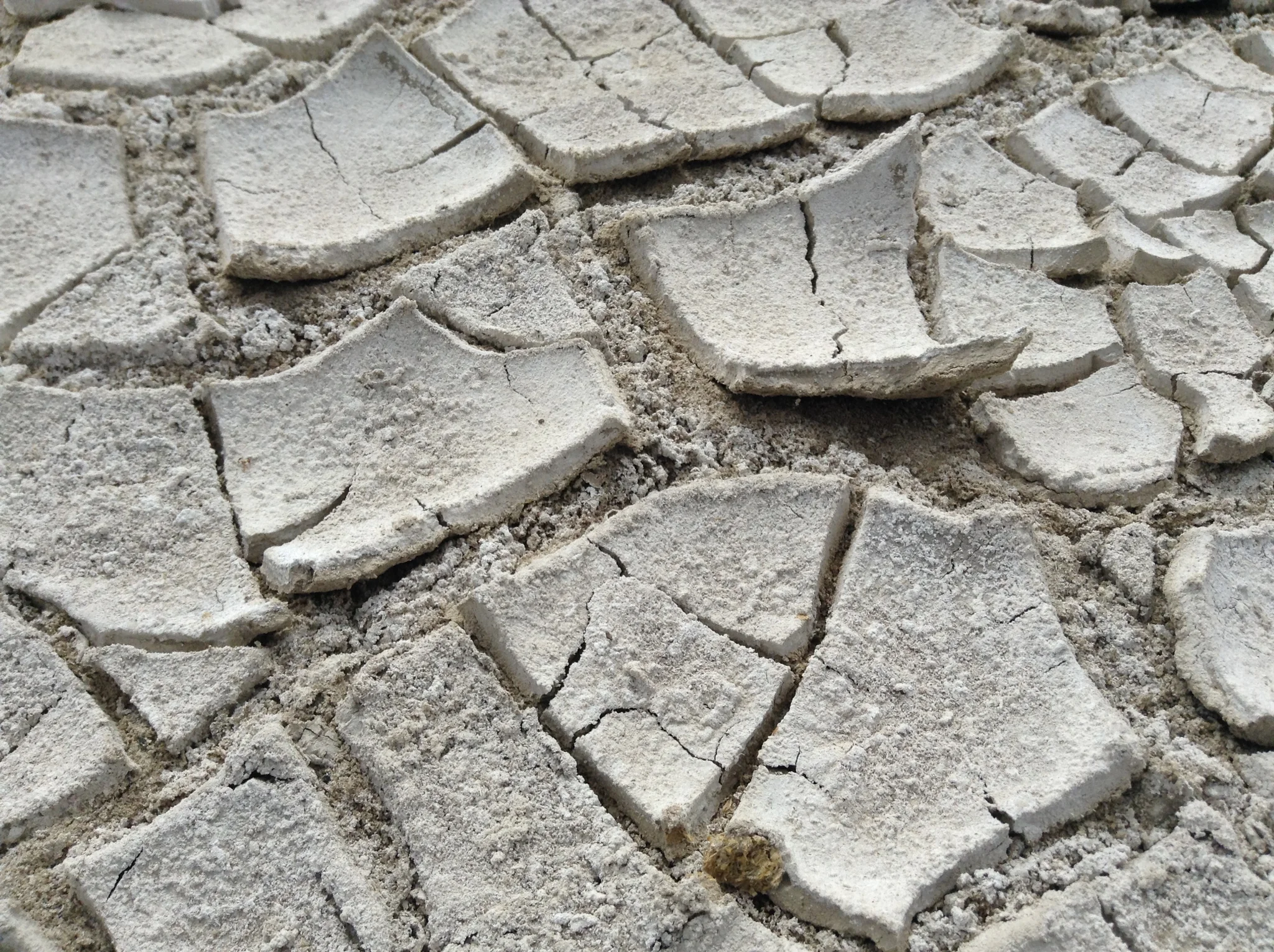
Salt crust

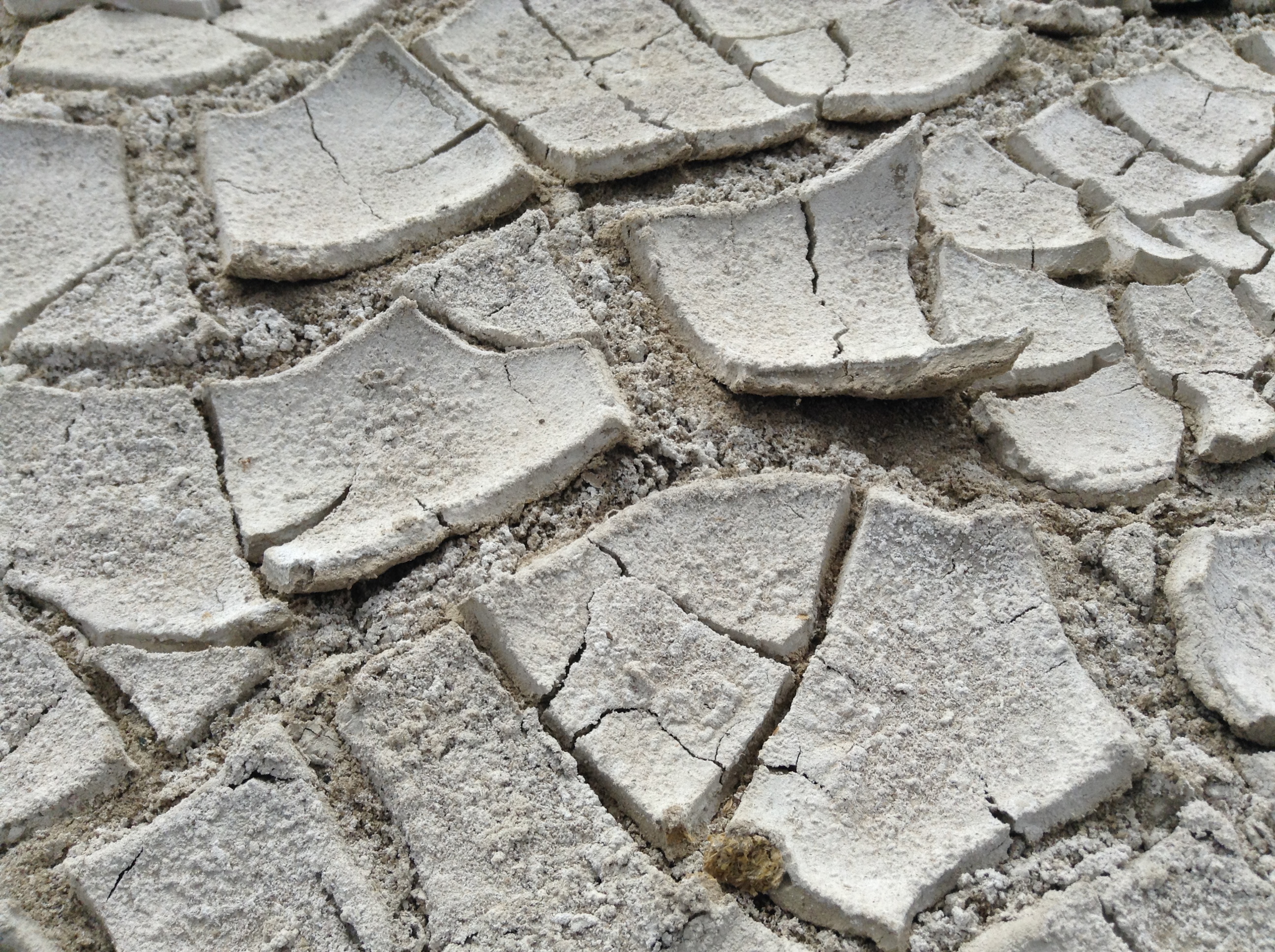
Salt crusts over the lacustrine plain in the former Texcoco Lake.
The original lakes around the Aztec city of Tenochtitlan (current day Mexico City) covered approximately 2000 km2. Texcoco Lake was in the central part of the city, it was also the shallowest, the most saline and the largest lake (it covered ca. 50%) in the basin.
At the arrival of the Spanish conquerors in the 16th century, Texcoco was still the largest water body in the basin. The contributions of water that reached Texcoco triggered historical flood problems in Mexico City, so the lakes were drained from the 17th century onwards. However, the drainage left at the beginning of the 20th century a large area of the lacustrine bed exposed to wind erosion.
Nowadays, it is possible to find salt crust a centimeter thick.
Category
Reuse
Creative Commons Attribution-NonCommercial-NoDerivs 3.0 Unported (CC BY-NC-ND 3.0) (opens in a new window)Credit: Elizabeth Chavez Garcia (distributed via imaggeo.egu.eu)
Comments
No comments yet. Be the first to share your thoughts.