

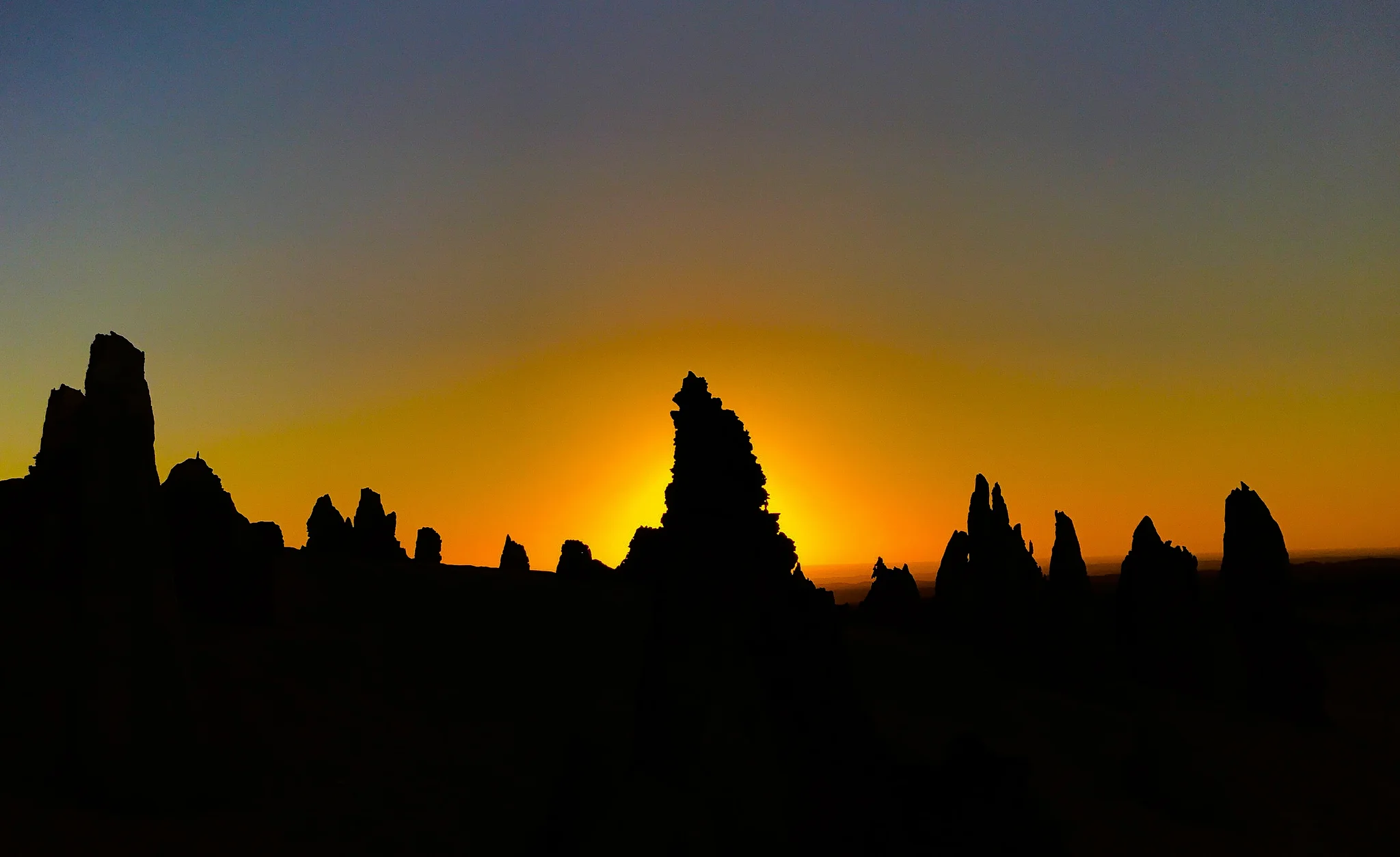
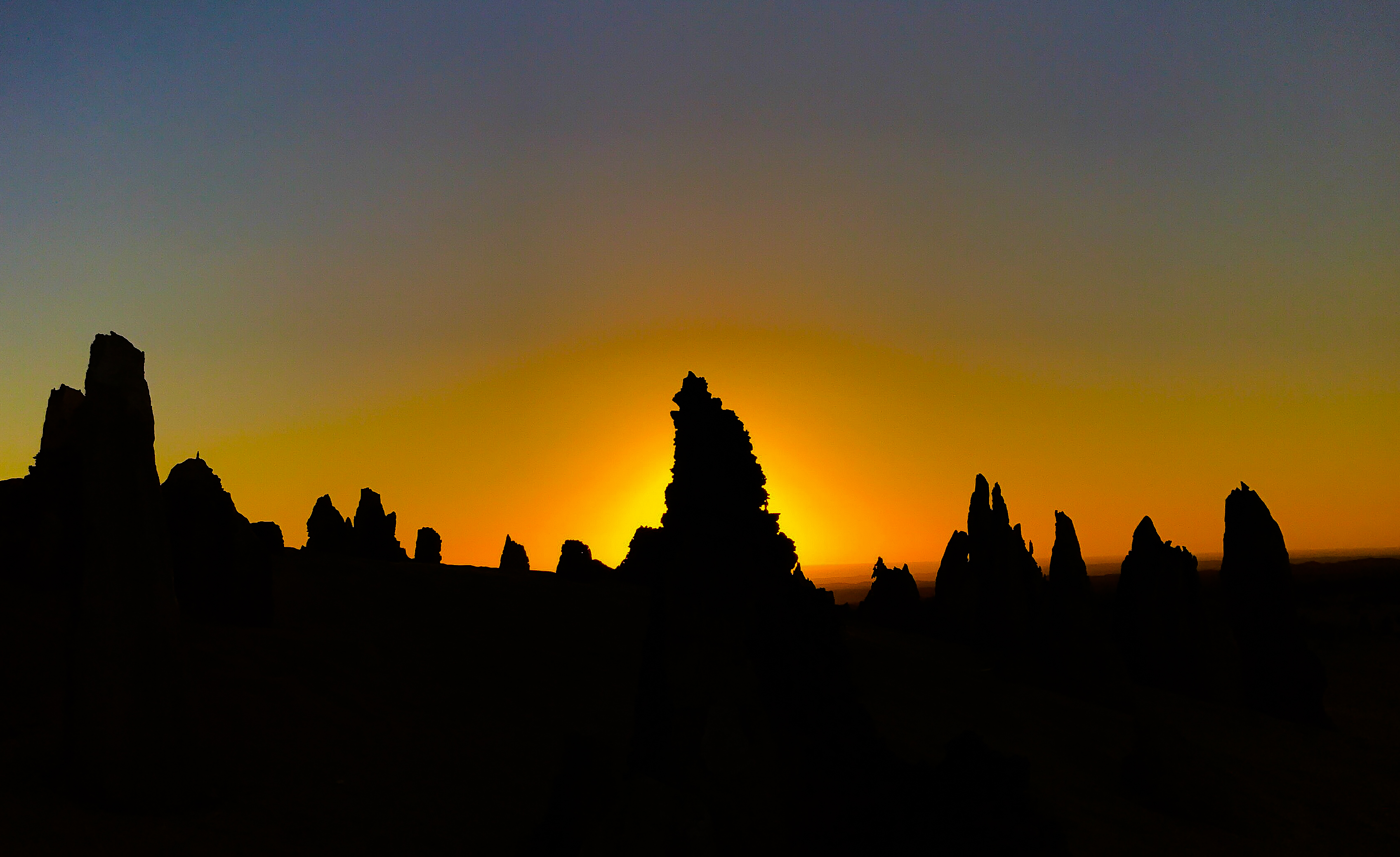
Pinnacles in Nambug National Park at sunset

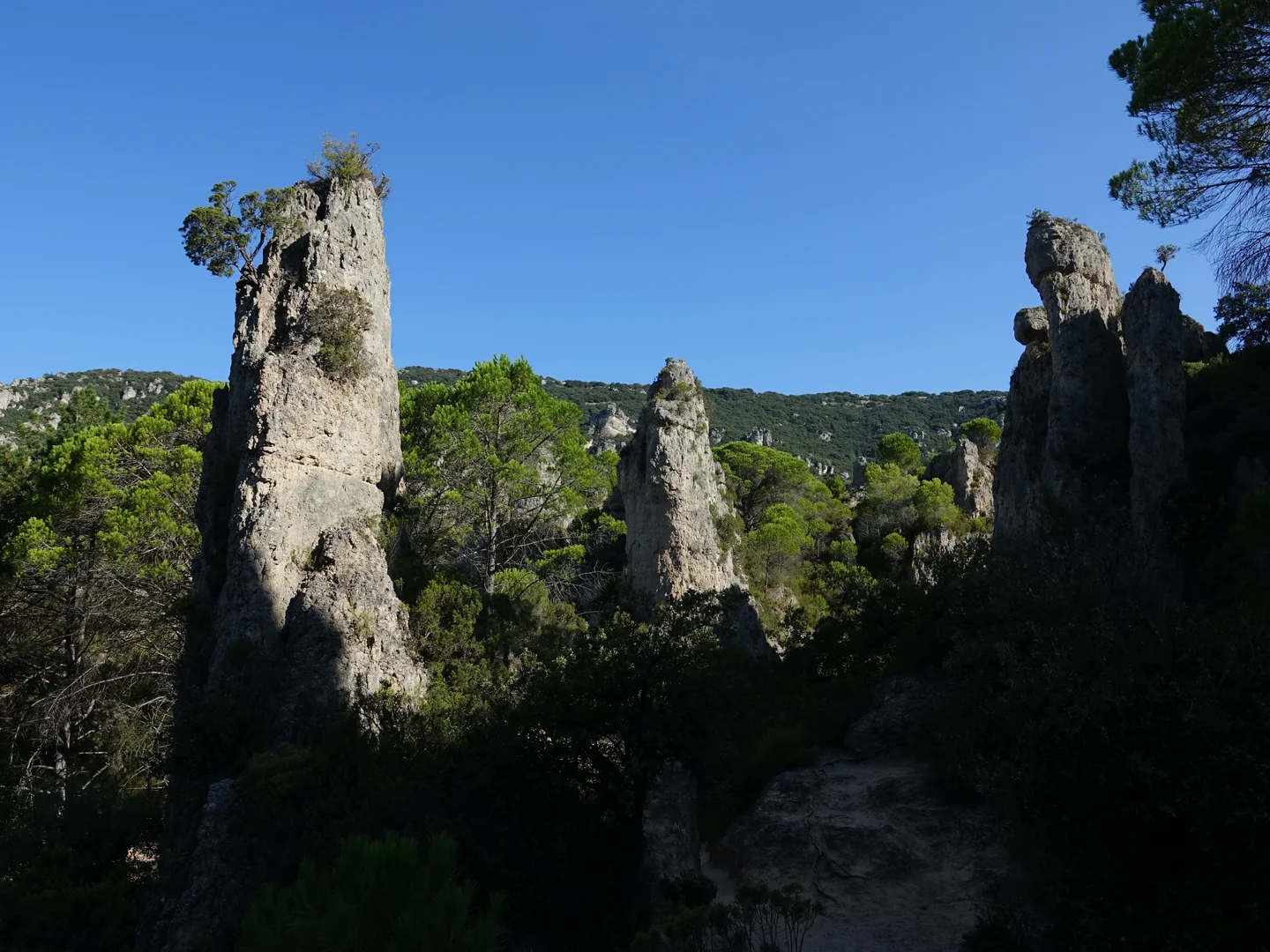
A spectacular pinnacle karst in the southwestern coastal part of Western Australia consists of dense fields of thousands of pinnacles up to 5 m high, 2 m wide and 0.5–5 m apart, particularly well exposed in Nambung National Park. The pinnacles have formed in the Pleistocene Tamala Limestone, which comprises cyclic sequences of aeolian calcarenite, calcrete/microbialite and palaeosol. The morphology of the pinnacles varies according to the lithology in which they have formed: typically conical in aeolianite and cylindrical in microbialite.
See: Lipar, M., Webb, J.A., 2015. The formation of the pinnacle karst in Pleistocene aeolian calcarenites (Tamala Limestone) in southwestern Australia. Earth-Science Reviews 140, pp. 182-202
Finalist in the EGU Photo Competition 2018
Category
Tag
Reuse
Creative Commons Attribution-NoDerivs 3.0 Unported (CC BY-ND 3.0) (opens in a new window)Credit: Stefan Doerr (distributed via imaggeo.egu.eu)
Comments
No comments yet. Be the first to share your thoughts.